

Amiibo are plastic figures and cards based on Nintendo games and characters. Each one contains a small NFC chip that compatible Nintendo games can read to unlock bonuses, items, costumes, or other extras. The Legend of Zelda: Breath of the Wild and The Legend of Zelda: Tears of the Kingdom are good examples of how amiibo support can be used in-game.
Collecting amiibo can become expensive, and the figures are not always easy to find. This guide explains how to create personal amiibo backups using an Android phone and blank NTAG215 cards or stickers. It is intended for backing up amiibo that you own. Do not download or distribute amiibo dump files, encryption keys, or copyrighted data.
What You Need To Create Amiibo Backups
To create your own amiibo backup cards, you need the following:
- An Android smartphone with NFC support. Most modern Android phones include NFC for contactless payments through Google Wallet or similar services, but it is still worth checking your phone settings before buying any tags.
- Blank NTAG215 cards or stickers. Amiibo backups require NTAG215. Other NFC tag types, including NTAG213 and NTAG216, will not work as amiibo cards.
- A backup of an amiibo you own. The safest and most responsible approach is to scan and back up your own amiibo. This guide does not provide amiibo files, encryption keys, or download sources.
- The TagMo app. TagMo is a popular Android app used for reading and writing amiibo backups. Download it only from the official TagMo project page or its official app listing.
One important warning before starting: once an amiibo has been written to an NTAG215 card, treat that card as permanent. Do not expect to erase and reuse the same card for a different amiibo. Buy enough blank tags for the number of amiibo backups you want to create.
Step 1: Set Up Your Phone And Install TagMo
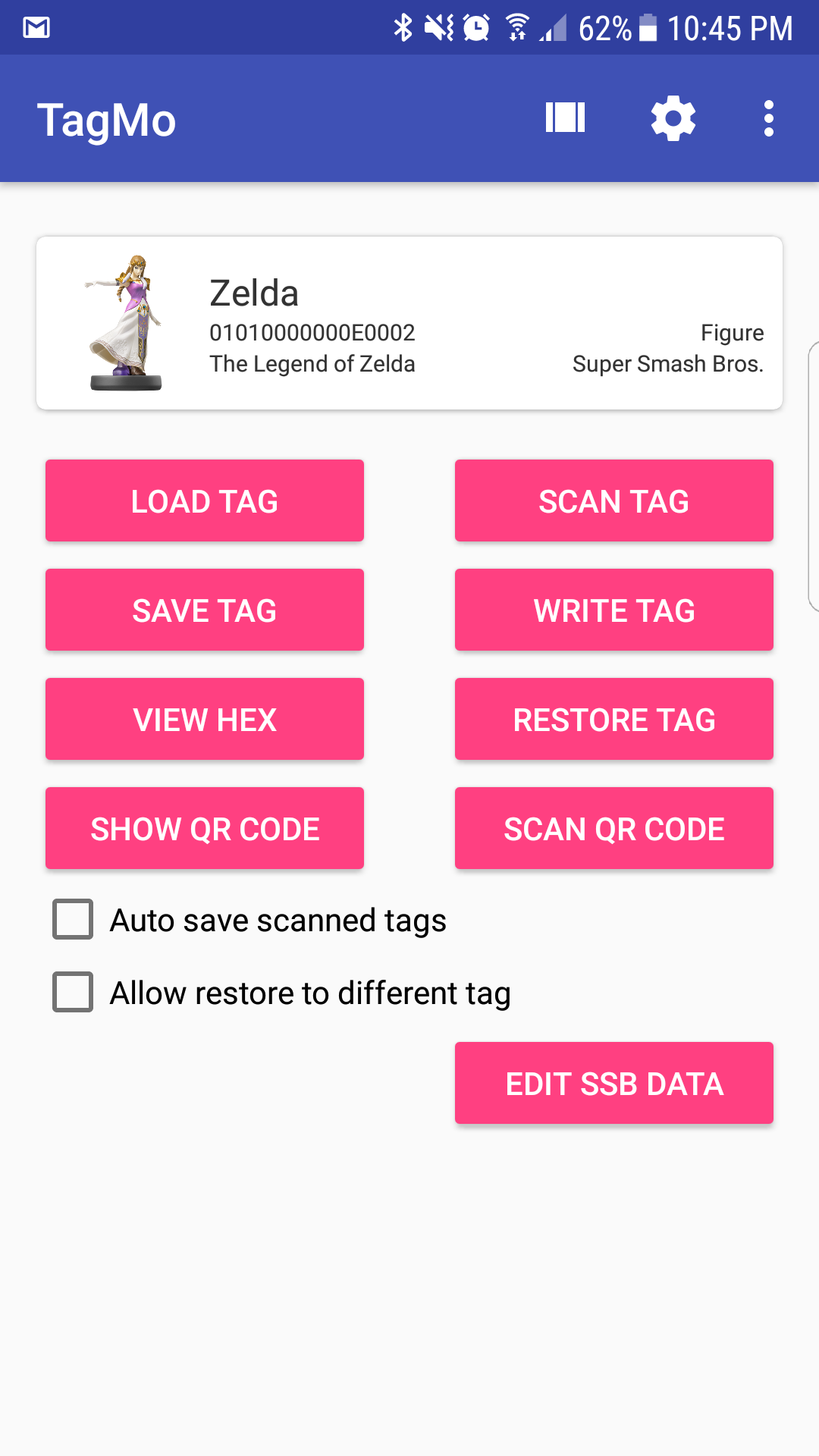
The first thing you need is the Android app that can read and write amiibo data. Download the latest version of TagMo from the official GitHub releases page or the official Google Play listing. Avoid random APK mirrors, especially for tools that interact with NFC and local files.
TagMo does not come with amiibo data included. It is a blank tool until you provide your own valid files. For personal backups, scan amiibo figures or cards that you own. The app may also require keys before it can process amiibo data. Those keys are not included here, and you should not download or share copyrighted files that you do not have the right to use.
Older versions of this guide mentioned placing files in a specific tagmo folder on the root of internal storage. Current versions of TagMo may handle file locations and import options differently depending on the Android version, phone model, and app version you are using. Follow the prompts inside the latest version of the app rather than relying on an old folder path.
Step 2: Buy The Correct NFC Tags
The Nintendo Switch only recognises amiibo-style backups when they are written to NTAG215 tags. This is the most important buying detail. If the listing says NTAG213, NTAG216, MIFARE, rewritable NFC, or any other format, do not buy it for amiibo cards.
Search online marketplaces for NTAG215 cards or NTAG215 stickers. Plastic cards are usually more durable and easier to label. Small circular stickers are cheaper and work fine, but they are easier to damage unless you stick them to a card, coin case, or another solid surface.
It is also possible to buy pre-made amiibo-style card sets online, including sets based on Legend of Zelda amiibo cards. These can be scanned in compatible games, including Tears of the Kingdom, but quality and legality can vary by seller.
Step 3: Write The Amiibo Backup To The NFC Tag
Once your phone is ready, TagMo is installed, your own amiibo backup is loaded, and you have blank NTAG215 cards, you can write the backup to a card.
- Open TagMo on your Android phone.
- Select the amiibo backup you want to write.
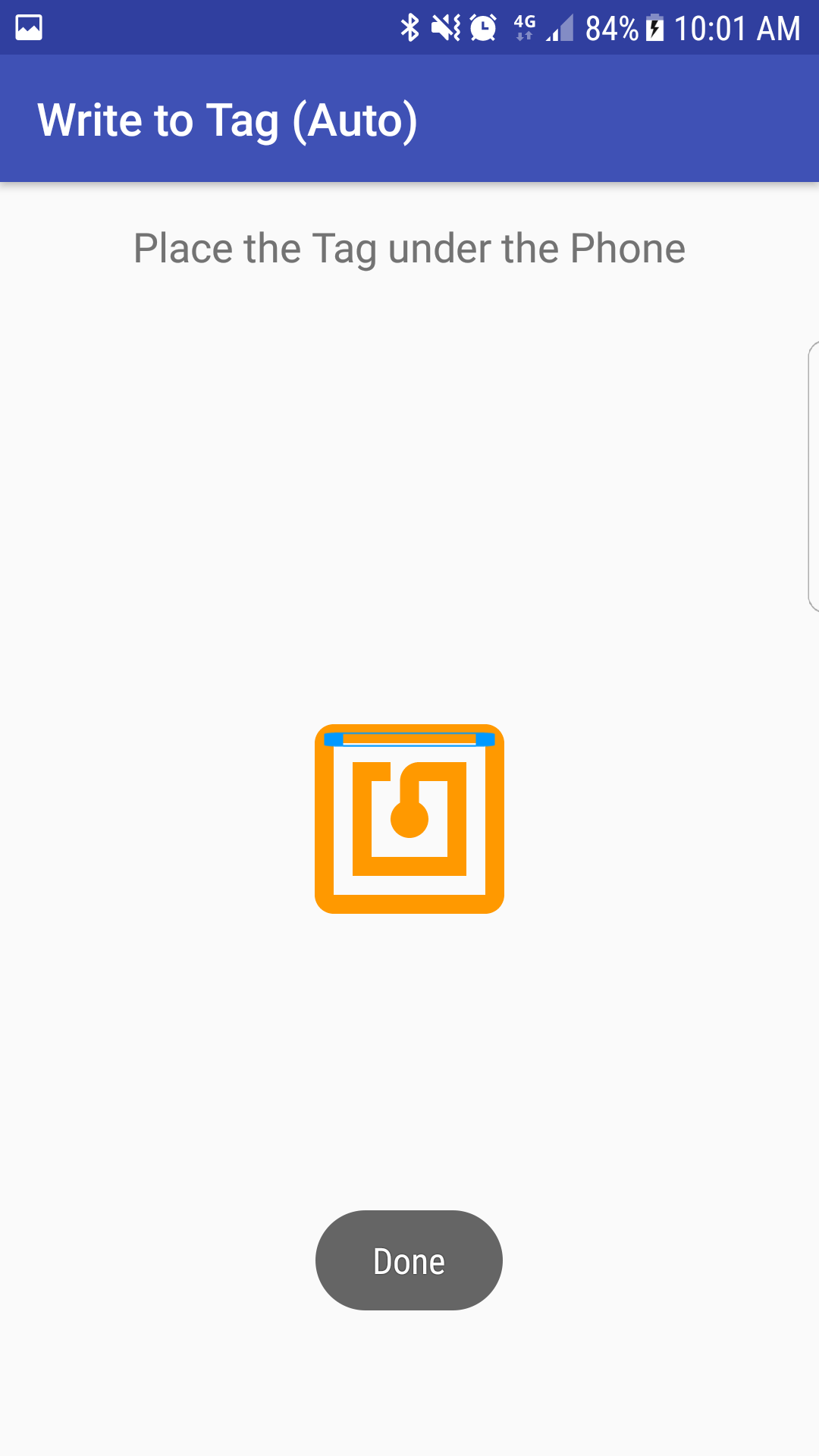
- Choose the option to write the tag. The exact wording and button position can change between TagMo versions.
- Place the blank NTAG215 card or sticker against the NFC reader area on your phone.
- Keep the tag still until the app reports that writing has completed.
The NFC reader position varies a lot between Android phones. It may be near the top, middle, or camera area on the back of the device. If writing fails, move the tag slowly around the back of the phone and try again.
Step 4: Validate The Amiibo Card
After writing the card, validate that it works before labelling it permanently. In TagMo, use the scan or read option to check what the card contains. If the app detects the amiibo correctly, you can then test it on a Nintendo Switch.
On Nintendo Switch, amiibo scanning is usually done by holding the card over the NFC touchpoint on the right Joy-Con stick or the NFC point on a compatible Pro Controller. The exact in-game menu depends on the game you are playing.
Alternative Android Amiibo Emulation
There is another Android-based approach that does not involve writing physical NFC cards, but it is more restrictive and less beginner-friendly. Apps such as JoyCon Droid attempt to make an Android phone behave like a Nintendo Switch controller and can, in some setups, simulate amiibo scanning.
This method is not as simple as using NTAG215 cards. Modern Switch firmware and Android restrictions mean JoyCon Droid-style setups generally require Android 9 or newer, root access, and additional system-level configuration such as Magisk modules. Device compatibility also varies, so it is not something to rely on unless you are already comfortable with rooted Android devices.
For most people, an NFC-capable Android phone plus blank NTAG215 cards is still the easiest and most reliable method.
FAQ
Do I have to use an Android device to create amiibo cards?
No. You can use any setup that can correctly write amiibo data to NTAG215 tags, but Android plus TagMo is one of the simplest options.
Where can I buy NFC tags to create amiibo cards?
NTAG215 cards and stickers are widely available from online marketplaces. Make sure the listing specifically says NTAG215. Similar-looking NFC tags with different chip types will not work.
Should I get cards or circular stickers?
Cards are usually better because they are more durable and easier to label. Stickers are fine if you attach them to something sturdy.
Can I rewrite an amiibo card after creating it?
No, you should treat each NTAG215 amiibo card as one-use. Once the amiibo backup has been written, do not expect to erase it and turn it into a different amiibo later.
Is this safe?
Writing an NTAG215 card is not the same as installing unknown software from the card. The tag stores a very small amount of NFC data. The bigger safety concern is downloading apps, APK files, keys, or amiibo dumps from untrusted sources. Stick to official app sources and your own amiibo backups.
The load tag option does not stop loading. What should I do?
If you have a large number of files or an older phone, loading can take a while. Update TagMo, reduce the number of files you are trying to load at once, restart the app, and check that NFC is enabled on your phone.
Is This Still Worth Doing?
Creating amiibo backup cards with an Android phone still works, provided you use the correct NTAG215 tags and current TagMo instructions. The main things that have changed are the app interface, Android storage permissions, and the need to be more careful about where files come from. Use your own amiibo, avoid old download links, and treat every written card as permanent.


Your JoyCon for droid link doesn’t work.