

Alone in the Dark is a throwback to a style of survival horror that big budget games rarely commit to today. In an era where horror often leans into cinematic spectacle and action heavy encounters, this game slows everything down. It trusts the player to explore, to get lost in a mansion, to read notes, to solve puzzles, and to sit with the atmosphere. That design philosophy alone makes it stand out.
This is not a game trying to reinvent the genre. Instead, it refines and reimagines an older blueprint. The result is something that feels both modern and nostalgic at the same time. For players who grew up roaming creepy mansions and managing limited inventory space, this feels like coming home.
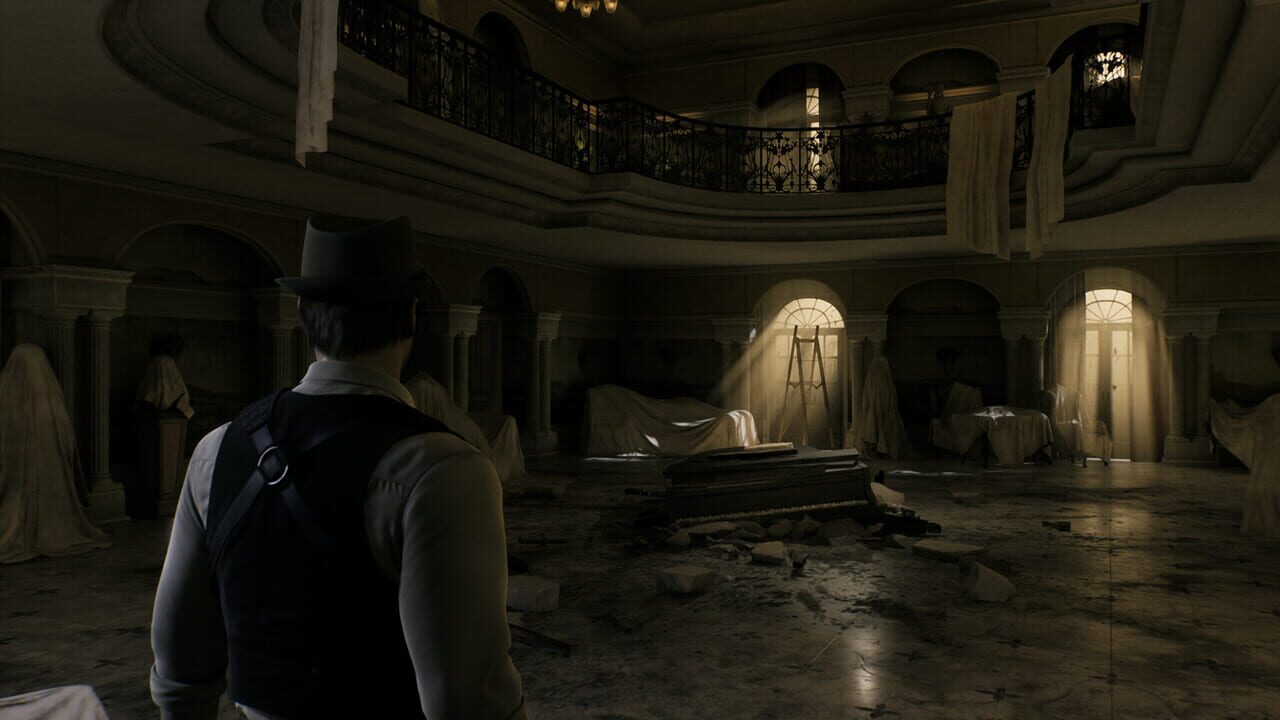
The true star of the game is Derceto Manor. Set in Louisiana and surrounded by bayou, the art deco mansion is dripping with personality. Every hallway, study, and shadowy corner feels intentional. The lighting and environmental detail create a rich southern gothic tone that carries the experience from start to finish.
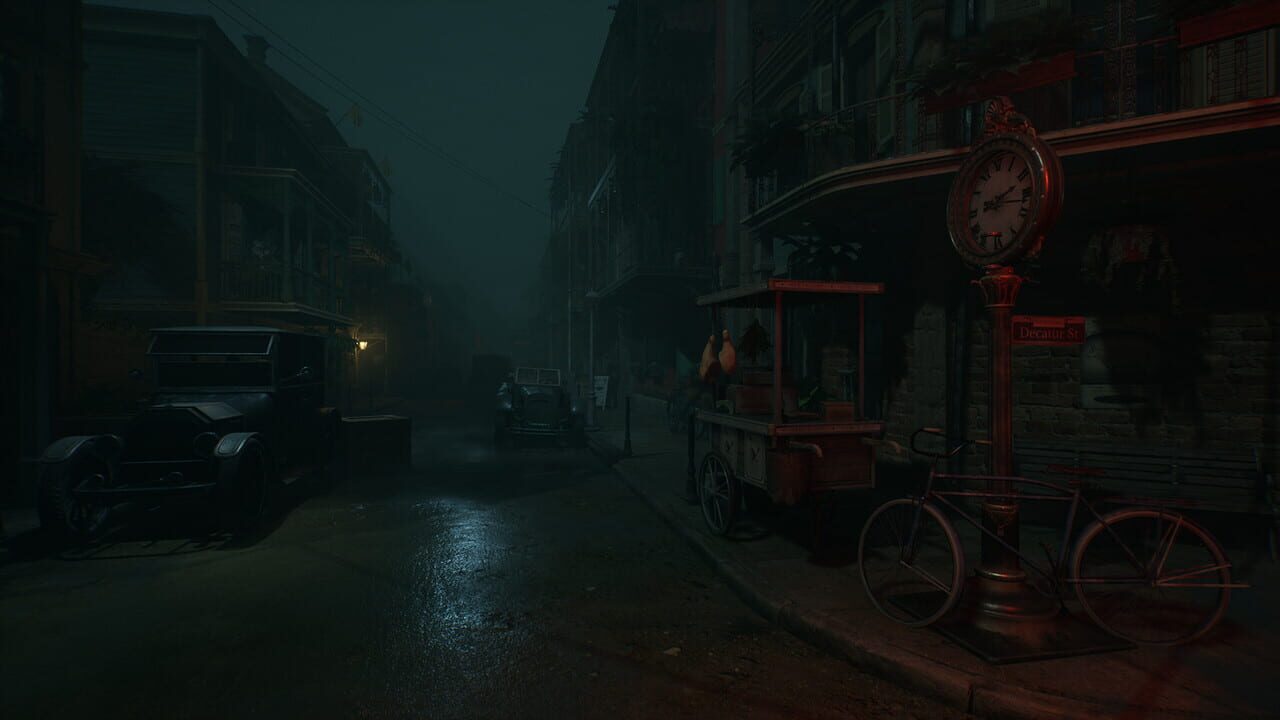
The noir inspired framing adds another layer of identity. Playing as Edward Carnby, portrayed by David Harbour, brings a grounded detective energy to the mystery. His performance gives weight to the story without ever becoming overly dramatic. The mansion feels alive in the best way, not through constant movement or noise, but through mood and presence.
It is rare to see a AAA horror game commit so fully to a single location and make it feel this compelling. Derceto is not just a backdrop. It is the backbone of the entire experience.
Exploration and Classic Survival Horror DNA
The core gameplay loop revolves around exploration, locked doors, key items, and puzzles. You search rooms carefully. You find a strange object and wonder where it might fit. You backtrack through familiar corridors once you unlock a new path. This structure is simple, but it works.
There is very little hand holding. The game allows you to piece together clues and make connections yourself. Some puzzles can be a little obtuse, but that friction often feels intentional rather than careless. It reinforces the old school survival horror identity.
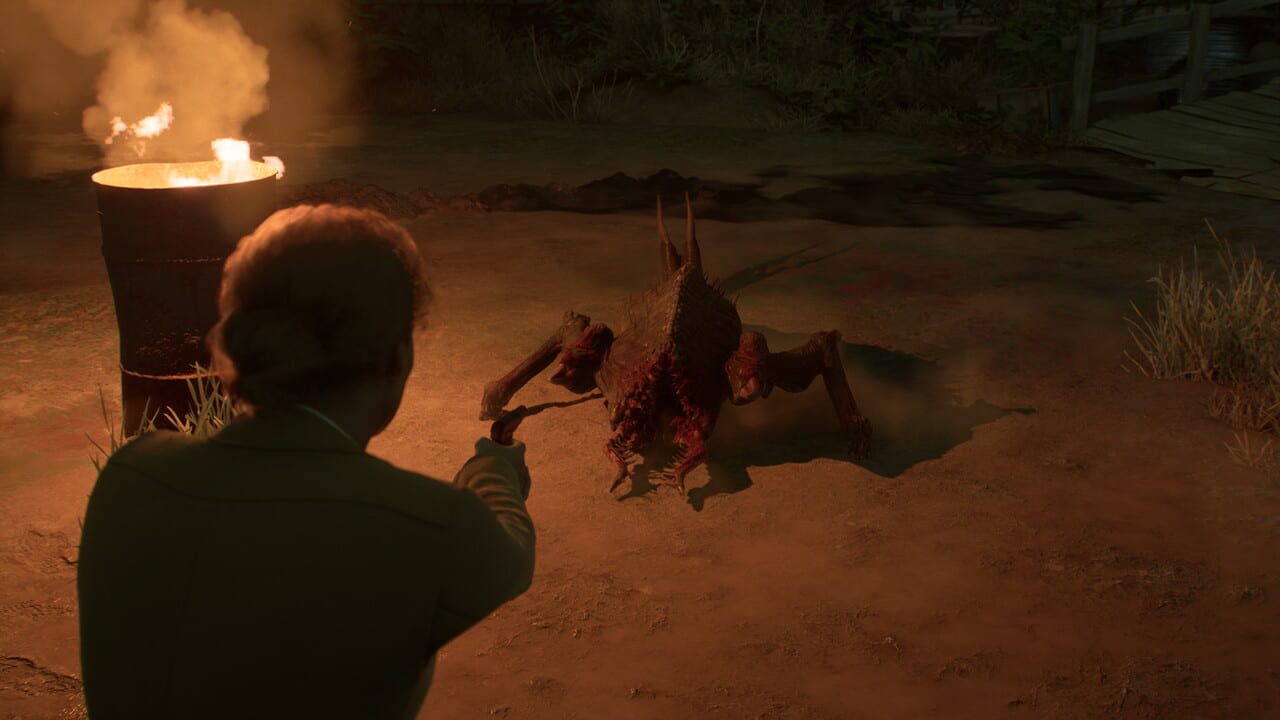
What makes it especially satisfying is how the mansion remains central throughout the story. Even when the game introduces surreal visions and otherworldly sequences, it always loops back to Derceto in a clean and cohesive way. That consistency strengthens the atmosphere instead of fragmenting it.
The narrative leans into psychological horror with clear Lovecraftian influence. It is intriguing and well delivered, though it does not rely on shocking twists or groundbreaking revelations. The mystery unfolds at a steady pace, and while it may not redefine horror storytelling, it fits the tone perfectly.
David Harbour brings a calm but determined presence to Edward Carnby. His delivery suits the noir angle and helps ground some of the stranger elements of the plot. The writing supports the atmosphere rather than overpowering it, which ultimately works in the game’s favour. The story complements the setting instead of competing with it.
Combat Shows Its Limits
Combat is easily the weakest element of the package. It is functional, but rarely exciting. Aiming can feel stiff, especially during encounters with flying enemies where limited ammo and restricted movement can lead to frustration. When enemies get too close, options feel constrained, and the mechanics show their rough edges.
The final boss encounter highlights these limitations the most. Without spoiling details, it relies heavily on endurance rather than clever design. The fight feels more like a test of patience and resource management than a satisfying climax. It exposes how thin the combat systems can feel under pressure.
That said, the combat never ruins the experience. It exists in service of tension rather than spectacle. You are not meant to feel powerful. You are meant to feel vulnerable. Even when it falters, the atmosphere and exploration are strong enough to carry the game forward.
Pacing and Controlled Horror
The pacing remains steady throughout. The decision to keep the mansion as the central hub helps maintain cohesion. Vision sequences allow the game to expand beyond its walls without losing focus. This approach keeps the experience fresh while preserving the identity of the setting.
Importantly, the horror design avoids leaning on constant jump scares. Tension builds slowly through sound design, lighting, and environmental storytelling. The result is a more mature and restrained style of horror that feels confident rather than desperate for cheap reactions.
Alone in the Dark succeeds because it knows exactly what it wants to be. It is not chasing trends. It is not trying to become an action blockbuster. It is a methodical, atmospheric survival horror experience that respects its roots. In doing so, it captures a feeling that many modern games have drifted away from.


