

Ah, Resident Evil. For some of us, it’s the stuff of nostalgia, sleepless nights, and maybe a few therapy bills. But somewhere along the ride from haunted mansions to zombie-infested cities, they veered into… yes, you guessed it, the action movie territory. Enter Resident Evil 5 and 6, the redheaded stepchildren of the series. Now, let’s dive into why these games garnered a lukewarm reception from diehard fans (**cue dramatic music**), and why they might have flourished as standalone titles instead of as awkward sequels in the Resident Evil family album.
First up, Resident Evil 5. To kick things off, if you ever wanted to experience the sensation of moving through life like an over-caffeinated robot, boy, do those tank controls deliver! It’s as if someone decided that, yes, we do enjoy wrestling our characters to move like newly programmed AI attempting ballet but failing miserably. This was already dated by the game’s release, and an unfortunate misstep for any modern gamer craving some sweet, intuitive movement. Let’s not sugarcoat this: fighting zombies should be thrilling, not an extended exercise in grappling with wonky tank controls that make your character move like a cat on a Roomba.
And the story? It’s passable, at best. The plot tries to sell itself as engaging, but let’s be real – finding a soap opera with more unexpected plot twists in your daytime viewing lineup. The in-your-face action felt more like a Michael Bay film on a budget rather than a horror game feeding us suspense and dread. And trust me, no one enters the Resident Evil universe hoping for a discount Transformers experience.
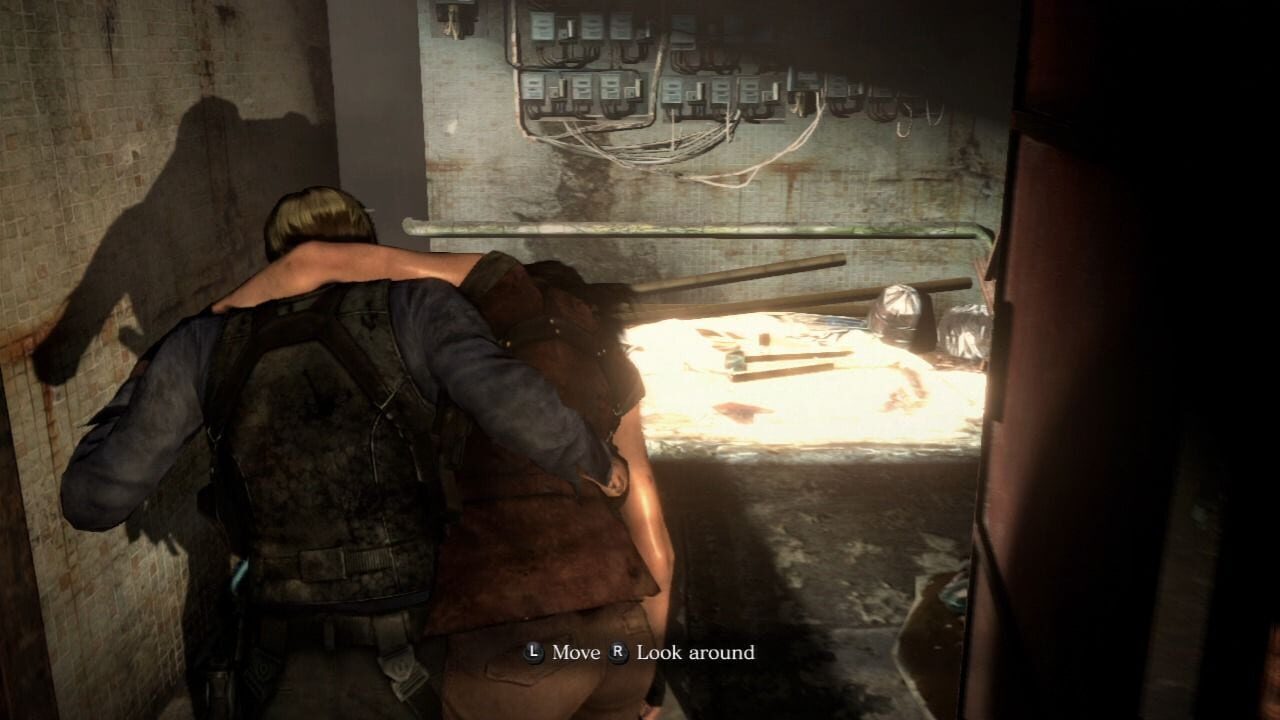
Resident Evil 6, on the other hand, pulled a 180 in gameplay style. While it sprinted further from its horror roots, trading eerie silence for sparkles and explosions, at least it packed in the fun factor. Admittedly, the game felt like that over-enthusiastic friend who bursts in with great snacks and a party vibe but forgot to RSVP. Sure, it felt less Resident Evil and more “generic zombie action game number 876”, however, this wasn’t a total write-off for the franchise or fans.
Here’s where I think Resident Evil 5 and 6 missed their golden opportunity. Picture this: a spin-off series that capitalizes on action, flashy mechanics, and dazzling firepower but with a mix of zombie spice only the Resident Evil name can provide. The gaming world of the late 2000s and early 2010s was all about high-intensity shooters, and it seemed Capcom wanted a piece of that explosive pie. We had big hitters like Gears of War and Uncharted capturing the market with action-packed sequences and compelling narratives. Resident Evil 6 didn’t flop because it was inherently bad; it tumbled because it wore the wrong franchise hat to the party.
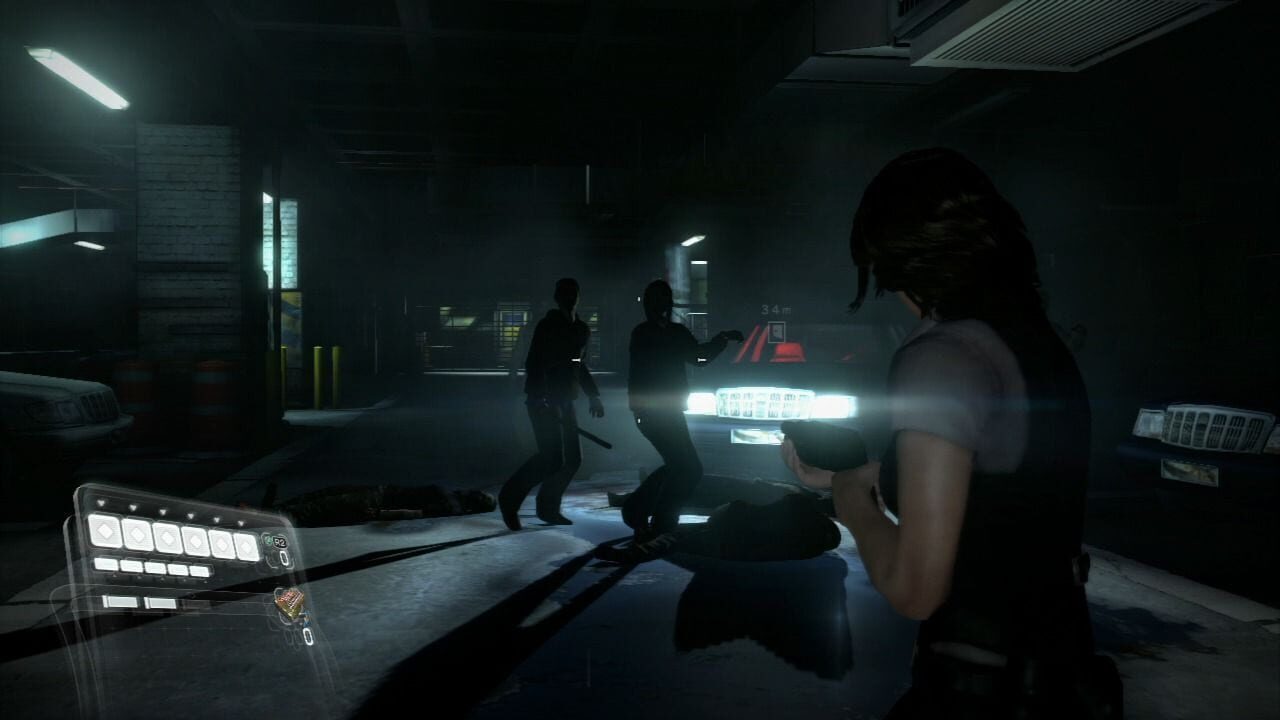
Had they spun these off as standalone entries in a different series, we might be singing a different tune. By trying to plug them into a survival horror box that didn’t fit, Resident Evil 5 and 6 delivered a disjointed experience for fans yearning for the old-school scares. But don’t get me wrong, as standalone action games with a healthy side of zombies and chaos, they had scope for success. They were like that quirky cousin who everyone secretly thinks is great but just doesn’t fit into the annual family photos with the same old tired poses.
In the end, Resident Evil 5 and 6 were perhaps misguided attempts to diversify an iconic establishment. They bear the marks of trying to mimic others’ success stories but ended up as Frankenstein’s monsters in a horror franchise. The magic was in the mix of survival terror, unexpected spooks, and captivating narratives that we loved in earlier Resident Evil installments. But hey, at least they gave us memories, headache-inducing control schemes, and a new appreciation for the games’ true OG identity.

So, should these games be condemned into the fiery pits? Maybe not. Let’s tip our hats to Resident Evil 5 and 6 for their attempt at something different, and hope they find more fitting homes on our consoles, maybe as reimagined spin-offs. They may have wandered too far from the mansion, but who knows? Perhaps, someday, even these misfit zombies can find their niche.


