
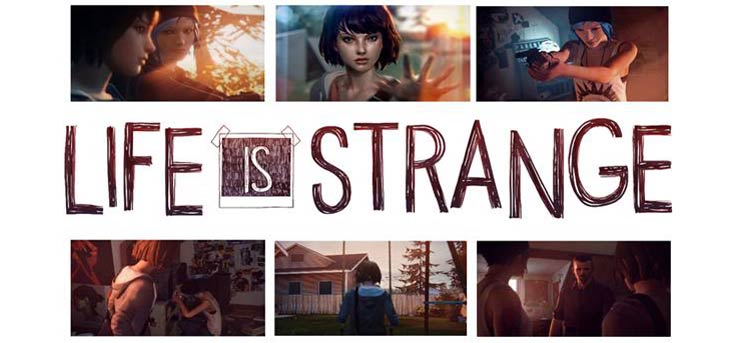
Life Is Strange captivated players with its emotional storytelling, relatable characters, and the weight of choices that ripple through time. Translating that experience to the tabletop requires more than just a rule set—you need a system that prioritises narrative, relationships, and the subtle supernatural elements that define Arcadia Bay. Whether you want to recreate the quiet drama of Blackwell Academy or the cosmic horror lurking beneath the surface, the right RPG system makes all the difference.
This guide explores the best tabletop systems for running a Life Is Strange-inspired campaign. Each recommendation focuses on mechanics that support character-driven drama, branching consequences, and the delicate balance between ordinary life and extraordinary powers. No matter your group’s playstyle, you’ll find a game that captures the soul of Max and Chloe’s journey.
What Makes Life Is Strange Unique?
Before diving into systems, it’s essential to pinpoint the elements that make the video game series so distinctive. Life Is Strange is not about combat or victory conditions—it’s about the emotional arcs of its cast. The core pillars include:
- Focus on Relationships: Bonds between characters drive the plot. Friendships, rivalries, and romances evolve based on player decisions.
- Everyday Life, Heightened Drama: The setting feels grounded—a high school, a small town—while the supernatural elements (time travel, telekinesis) introduce tension and metaphor.
- Choice and Consequence: Decisions matter, often with delayed, unpredictable outcomes. The butterfly effect is a literal game mechanic.
- Atmospheric Mystery: A central enigma (like Rachel Amber’s disappearance) binds the narrative together.
- Teenage Perspective: Characters wrestle with identity, peer pressure, and adult hypocrisy, adding a raw authenticity.
Any RPG adaptation must honour these pillars, translating them into mechanics that reward introspection over action.
Key Considerations for Emulating the Experience
When choosing a system, look for these features:
- Narrative Control: The rules should facilitate storytelling, not just resolve tasks. Mechanics like flashbacks, player-authored truths, or communal world-building help replicate the game’s authorial feel.
- Relationship Mechanics: Stats tracking trust, intimacy, or friction between characters create drama that mirrors the in-game dialogue options.
- Scalable Supernatural Powers: Time rewinding in the original Life Is Strange is a limited, emotionally charged resource. Your system should handle powers that aren’t overwhelming but carry narrative weight.
- Low-Lethality, High-Stakes Conflict: Physical combat is rare. Conflicts should revolve around social, emotional, or psychological stakes.
- Organic Consequences: Look for rules that allow the GM to introduce complications from past choices, whether through consequence clocks or collaborative backstory generation.
RPG System Recommendations
Cortex Prime
Cortex Prime is a toolkit system designed for narrative-first play. Its modular approach lets you build a game that feels custom-tailored for Life Is Strange. The core mechanic uses polyhedral dice pools assembled from traits like Values, Relationships, and Distinctions. For a Life Is Strange hack, you could replace Values with core emotional drives (e.g., Empathy, Rebellion, Guilt) and include a Relationship trait for each major NPC. Complications and Assets simulate the ripple effect of choices, and the Doom Pool can represent mounting supernatural tension. The system’s flexibility makes it easy to integrate time powers as a power set with limited uses, risking chaos on a bad roll.
FATE Core / FATE Accelerated
FATE’s emphasis on aspects, invoke-for-effect, and compels is a natural fit for character-driven drama. Every aspect in FATE is a narrative truth that can be tapped for benefits or complications, mirroring Life Is Strange’s dichotomous choices. FATE Accelerated’s approaches (Careful, Clever, Flashy, etc.) map well to teenager stereotypes and emotional states. You can easily model Max’s rewind power as a stunt or extra, allowing her to reroll or declare a minor change to the scene, while the GM compels her “Time Bender” aspect to trigger painful side effects. The fractal nature of FATE means even a town like Arcadia Bay can have aspects and stress tracks, representing the community’s mood or the encroaching storm.
Powered by the Apocalypse Games
The PbtA family offers several options that match Life Is Strange’s tone and themes. These games use playbooks, moves, and partial successes to fuel emergent storytelling.
Monsterhearts 2
Monsterhearts is the quintessential teen supernatural drama RPG. Its skins represent monstrous metaphors for adolescence (the Fae, the Ghost, the Werewolf), but you can easily reskin them as emotional archetypes. Strings—a mechanic representing emotional leverage—perfectly capture the shifting social dynamics in Blackwell Academy. The Sex Moves (which can be reflavored as intimate moments) create charged, relationship-based fallout. Max’s time travel becomes a custom move, perhaps triggered by intense emotional moments, while Chloe’s rebellious spirit maps to the Queen or the Hollow. The game’s raw, messy, and often volatile energy aligns with the series’ darkest moments.
Masks: A New Generation
While Masks is superhero-focused, its core loop is about teenage identity and relationships. Playbooks like the Legacy, the Delinquent, or the Outsider channel Life Is Strange’s conflicts. The Influence mechanic, where characters constantly shift labels (Danger, Savior, Freak, etc.), mirrors the self-doubt and peer pressure in the video games. Powers are narrative, not strictly mechanical, so time travel can be handled as “time manipulator” abilities that let you rewrite a scene. The game’s emphasis on emotional conditions (Afraid, Angry, Guilty) and the Team pool creates a perfect framework for a tight-knit group of friends facing a common threat.
Epyllion
If your Life Is Strange adventure leans into the magical realism of the animal spirits or the bond between Max and the doe, Epyllion offers a unique lens. Players are young dragons in a world where friendship and harmony are paramount. The “challenge” system (trust with friends, evil with shadows) and shared narrative control over the setting can be adapted to a human-centric story about a group of teens trying to save their home. The gentle, introspective tone of Epyllion suits the quieter, character-focused moments that define the series.
Bubblegumshoe
Bubblegumshoe adapts the GUMSHOE investigation system to teen detective stories. It’s tailor-made for mysteries like the search for Rachel Amber. Investigative abilities replace combat stats, and social combat mechanics (throwdowns, gossip) simulate high school drama. The relationship map and the town creation rules help build a living, interconnected community. Supernatural elements can be layered as optional abilities or through the “weird” skill. Max’s time power could let her gain clues by revisiting a scene, while Chloe’s daredevil nature gives her bonuses to physical investigation but risks social fallout.
Kids on Bikes
Kids on Bikes, along with its sequels Kids on Brooms and Teens in Space, captures the 80s/90s nostalgia and small-town strangeness that permeates Life Is Strange. The system uses simple stat checks and a collaborative storytelling focus. The “powered character” mechanic (a special NPC with abilities controlled by the group) can be used for a mysterious entity like Rachel Amber or the storm. Bonds between characters grant tokens that can be spent to help each other, reinforcing the theme of friendship. Its rules-light nature keeps the spotlight on character interactions and the unfolding mystery.
DramaSystem / Hillfolk
For groups that want to dive deep into interpersonal drama, Hillfolk’s DramaSystem is unparalleled. The core of play is the dramatic scene, where characters petition each other for emotional needs (love, respect, forgiveness). This perfectly replicates Life Is Strange’s dialogue-heavy structure. Procedural scenes handle other activities, but the focus remains on character dynamics. Supernatural elements can be introduced through special abilities that affect petitions, representing Max’s power to undo a moment or Chloe’s ability to force a confrontation. The series’ central themes of loss, regret, and reconciliation thrive in this system.
Honorable Mentions
Several other systems can work with some tinkering:
- Call of Cthulhu / Trail of Cthulhu: The investigation and sanity mechanics suit the darker, Twin Peaks-esque atmosphere, especially if you lean into the cosmic horror of the storm or Mark Jefferson’s villainy.
- Chuubo’s Marvelous Wish-Granting Engine: A pastoral, slice-of-life game with deep emotional XP triggers. Perfect for a low-action, high-feeling campaign.
- Ryuutama: While fantasy-oriented, its journey and wonder vibe can be reframed around a road trip adventure like the one Max and Chloe take.
Building Your Own System
If none of the above fully clicks, you can hack existing games. Start with the relationship map from Bubblegumshoe, add the emotional conditions from Masks, and steal the consequence clocks from Blades in the Dark. The key is to create mechanics that ask, “What matters to your character?” and then put that at risk. Always tie supernatural abilities to a cost—emotional, social, or existential—to maintain the human drama at the core.
Frequently Asked Questions
What RPG handles time travel mechanics best?
Cortex Prime and FATE offer the most flexible frameworks. Cortex’s power sets let you design a time rewind ability with limited uses and narrative complications, while FATE’s aspects and invocations allow for scene edits that feel like Max’s quick do-overs.
Can I use Dungeons & Dragons for a Life Is Strange game?
Technically yes, but it requires heavy homebrew. D&D’s focus on combat and resource management runs counter to the genre’s emphasis on social interaction and emotional stakes. You’d need to strip out classes, rework skills, and invent relationship mechanics from scratch. It’s far simpler to use a narrative system built for these themes.
How do you handle branching choices and consequences at the table?
FATE’s compel system, PbtA’s hard moves on misses, and Cortex’s complications all create organic consequences. For long-term impact, use a relationship map that updates after key scenes, or implement Blades in the Dark-style clocks for tracking community reactions, suspicion levels, or the approach of the storm.
Which game works best for a one-shot versus a campaign?
For one-shots, FATE Accelerated or Monsterhearts 2 offer quick chargen and high-impact drama. For campaigns, Cortex Prime or Bubblegumshoe provide the depth needed to explore evolving relationships and multi-layered mysteries over many sessions.
I want a game that’s more about the mystery and less about teen drama. What do you recommend?
Bubblegumshoe is the best fit. Its investigation mechanics are robust, yet the social combat system still gives weight to relationships. You can dial down the teen drama elements while keeping the core of a small-town mystery with supernatural hints.


